Do I need a website if I have Facebook or Instagram?
Why social media pages aren't enough for most South African businesses, what a website does that Facebook can't, and when a page on its own is fine.
 Adam BergerWeb designer and developer
- Published
- Reading time
- 3 min
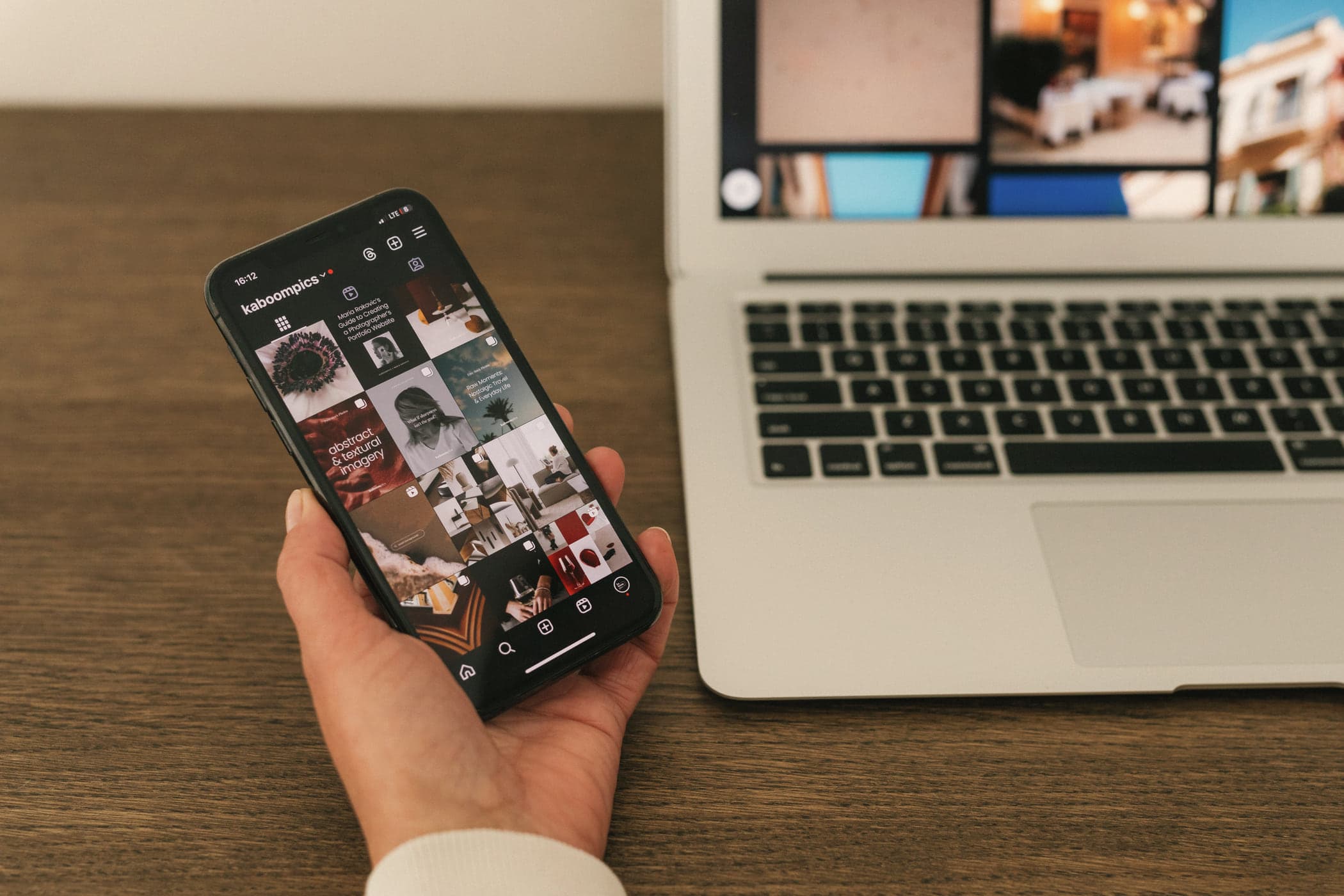
It's one of the most common questions I'm asked, and a fair one. Your Facebook page is free, your customers follow you on Instagram, and you get enquiries on WhatsApp. Why pay for a website?
The short answer: social media is where people who already know you keep in touch. A website is where people who don't know you yet find you, check you're legitimate and decide to contact you. They do different jobs.
What a website does that social media can't
People search on Google, not on Facebook
When someone needs a plumber, a dentist or a new car, most start with a Google search. Google's results are mostly websites. Facebook pages sometimes appear, but rarely above a decent website with the same information.
And not everyone is on social media. According to DataReportal's Digital 2026: South Africa report, about 51.7 million South Africans used the internet at the end of 2025, but social media reached about 29.1 million identities. That's a lot of potential customers who'll never see your Instagram, but will see your website.
It's yours
A Facebook page or Instagram account is rented space. The platform decides:
- Who sees your posts. Organic reach for business pages is a fraction of your followers unless you pay to boost.
- What your page looks like, and what features you get.
- Whether you keep the account at all. Hacked and suspended business accounts are common, and getting them back can take weeks.
Your website, on your own domain, stays where it is whatever Meta decides.
It answers questions before people ask
On social media, your important information is buried in a feed: prices in a post from March, opening hours in the about section, services spread across highlights. A website puts it in one clear place, so people can decide on their own time, including at 10pm when you're not answering messages.
It looks more established
Fairly or not, many customers treat a business without a website as less established. A website with your own domain (and an email address to match) signals you're a real, lasting business. It matters most for higher-value purchases, where people check before they commit.
What social media does better
To be fair to Facebook and Instagram:
- Staying in touch. Regular customers see your news, specials and new work.
- Showing personality. Behind-the-scenes posts, your team, reels of your work.
- Word of mouth. Shares and tags reach friends of your customers.
- Quick conversations. Messages and comments are where many people first say hello.
None of that replaces a website. It works best pointing people to one.
Social media is where people who know you keep in touch. Your website is where people who don't know you yet decide to call.
When a social page alone is fine
A website isn't essential for every business, every time:
- You're testing an idea and want to see if anyone buys first.
- All your work comes from referrals, and you're fully booked.
- You sell almost entirely through Instagram, with a following that already buys from you.
Even then, it's worth knowing that the day you want customers who don't already know you, a social page alone will hold you back.
What a small business website should do
It doesn't need to be big. For most small businesses, five pages is plenty:
- Home: what you do, where, and how to contact you.
- Services: what you offer, ideally with prices or a starting price.
- About: who you are and why people should trust you.
- Work or gallery: real photos and examples.
- Contact: phone, WhatsApp, email, a form and a map.
Link your Facebook and Instagram from it, and put your website link in your social profiles and your WhatsApp Business profile. The essentials of the first page are covered in seven things every small business homepage needs.
Is a Facebook page enough for a small business?
It's enough to stay in touch with existing customers, but not usually enough to be found by new ones on Google, and you don't control it. Most businesses do better with a simple website plus social pages.
Can I use a Facebook page instead of a website on Google?
Your Facebook page can appear in Google results, but usually below websites with the same information, and Google can only show what your posts happen to say. A website lets you decide what people find.
How much does a basic website cost compared to social media?
Social pages are free to run but cost time, and reach usually needs paid boosts. A basic small business website in South Africa costs from about R5,000 to build plus a monthly fee for hosting.
The short version
Keep your social pages. They're great for staying in touch. But give new customers somewhere you own to find you, check you out and contact you. If you'd like to see what yours could look like, I'll design your homepage free, using what's already on your social pages.